Ultimate Guide to Teaching 3-Year-Olds at Home
Figuring out exactly what to teach 3 year olds can feel overwhelming for many parents. Consequently, you naturally want your beloved child to succeed immense.
Furthermore, every parent wants them completely ready for the upcoming preschool years.
However, early learning definitely does not mean using boring, repetitive flashcards. Instead, it actually means engaging in highly purposeful and fun play.
In this comprehensive guide, we will explore the best developmental strategies. First, we will cover major cognitive growth milestones thorough.
Next, we will discuss physical skills in deep detail. Ultimately, we will provide fun, practical daily activities for your home. Therefore, your precious child will learn and thrive beautifully.
A few years ago, I eagerly tried teaching my extremely smart three-year-old nephew, Leo. Initially, I printed complex worksheets directly from the internet. Consequently, I expected him to sit quietly and study hard.
Unfortunately, it was a complete, tearful disaster. Leo cried loudly and threw the heavy papers away. Indeed, I felt incredibly frustrated and quite helpless.
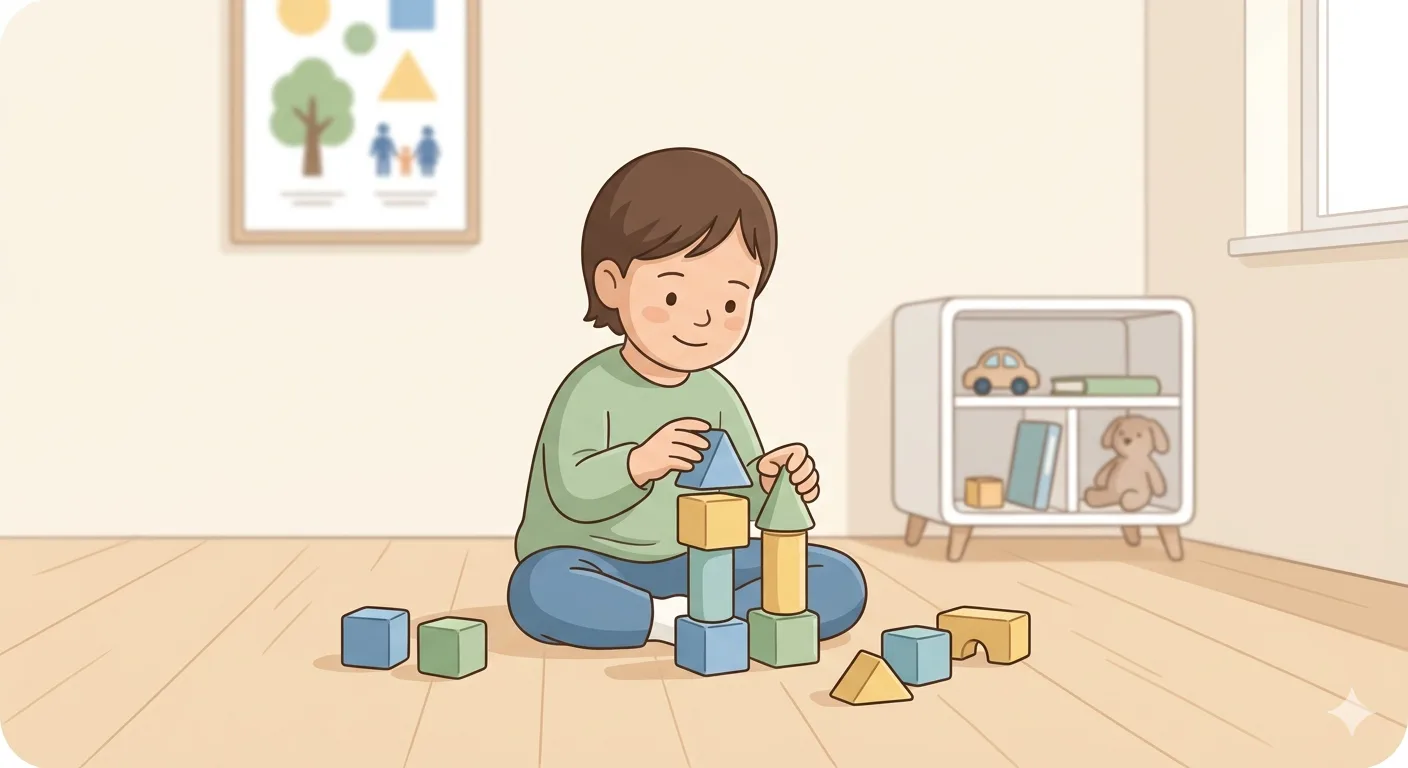
Therefore, I changed my entire educational strategy immediately. We threw away all the boring worksheets completely. Instead, we started playing with colorful wooden blocks happily. Furthermore, we sorted them carefully by specific shape and size.
Suddenly, Leo was learning rapidly and very naturally. Moreover, he laughed loudly and engaged with the creative process. Ultimately, this specific experience taught me a vital, life-long lesson. Play is unequivocally the absolute best teacher for young minds. Forceful, rigid learning simply does not work well.
Core Developmental Milestones for 3 Year Olds
Before teaching specific skills, you absolutely must understand natural developmental milestones. Children develop at their own entirely unique pace.
However, certain common abilities consistently emerge around age three. Therefore, these specific milestones strongly guide your daily teaching approach.
Additionally, tracking these skills helps you identify any potential delays early. Consequently, you can provide better support for your growing child.
Fascinating Cognitive Development Highlights
At exactly three years old, your child’s brain grows massively every day. Consequently, they start to understand the complex world around them.
Initially, they begin to sort various objects by distinct shapes. Subsequently, they can usually identify primary, basic colors accurately.
Furthermore, toddlers start grasping simple time concepts like “morning” and “night.” Additionally, they notoriously ask the word “why” constantly.
Indeed, this deep curiosity is incredibly healthy and normal. Therefore, you should always answer their endless questions patiently. As a result, their logical reasoning skills will expand tremendously.
Crucial Physical and Fine Motor Skills
Physical growth remains highly visible at this active stage. Specifically, gross motor skills involve large, energetic body movements. On the other hand, fine motor skills involve small, precise hand muscles.
Both categories are absolutely crucial for their overall, healthy development. Consequently, you should encourage plenty of physical activity daily.
Moreover, you can encourage fine motor skills quite easily. For instance, give them large crayons to draw freely.
Additionally, let them string chunky beads on a thick shoelace. Indeed, these simple activities build strong writing muscles for later years. As a result, future preschool handwriting tasks will feel much easier.
Important Social and Emotional Growth
Three-year-olds generally experience very big, unpredictable emotions. Consequently, they are learning exactly how to interact with others.
Initially, they begin to show sweet empathy for crying friends. Furthermore, they start playing cooperatively alongside other energetic children.
However, they still struggle immensely with sharing favorite toys. Notably, this is completely normal, expected toddler behavior.
Therefore, you must firmly model good sharing habits constantly. Moreover, praise them warmly whenever they play nicely together. Thus, positive reinforcement builds excellent long-term social skills.
The 3 Major Pillars of Preschool Readiness
Engaging puzzles, fun counting games, and sorting shapes.
Joyful jumping, creative drawing, and block building.
Taking turns, sharing, and naming big feelings.
Educational Activities for 3 Year Olds at Home
Importantly, you do not need an expensive, fancy curriculum. Instead, you can simply use common, everyday household items. Therefore, here are the absolute best educational activities for 3 year olds at home.
Furthermore, these ideas cost almost nothing to implement successfully. Keep math extremely practical and language all around them every single day.
Inspiring Arts and Crafts for Creativity
Art beautifully allows young children to express themselves freely. Additionally, it strongly builds essential hand-eye coordination over time. Consequently, mess-making should be highly encouraged.
- Messy Finger Painting: Joyfully let them mix bright colors on thick, sturdy paper. Talk about how blue and yellow make green.
- Soft Playdough Creations: Actively pinching and rolling playdough strengthens their tiny, growing finger muscles. Consequently, this prepares them for writing.
- Outdoor Nature Collages: Enthusiastically collect fallen leaves and glue them to sticky paper. Indeed, this effectively teaches them about the environment.
Early Math and Number Games
Math for active toddlers is largely about recognizing basic patterns. Specifically, it is definitely not about writing complex equations yet. Therefore, keep math extremely practical and visual.
- Helpful Sorting Laundry: Simply ask them to cleverly match socks by exact color. Consequently, this is a highly functional basic sorting skill.
- Fun Counting Snacks: Carefully count sweet grapes or salty crackers before eating them. Happily say, “One, two, three yummy grapes!”
- Exciting Shape Hunts: Actively walk around the house finding hidden circles. Look for rectangular doors and clear square windows.
Language and Literacy Building
Reading is undoubtedly the most incredibly important skill to nurture. Furthermore, a highly strong vocabulary perfectly sets them up for future success. Thus, language should surround them constantly.
- Consistent Read Daily: Warmly read colorful picture books every single night. Additionally, purposefully point to the words as you read.
- Joyful Sing Songs: Classic nursery rhymes effectively teach the natural, rhythmic flow of language. Therefore, sing quite loudly and happily act out the lyrics.
- Constant Narrate Your Day: Continuously talk about exactly what you are doing. For example, say, “I am quickly chopping red tomatoes for our healthy dinner.”
Creating a Solid Daily Routine for Preschool Readiness
Young children absolutely thrive on reliable daily predictability. Consequently, a solid routine makes them feel very safe.
Furthermore, it drastically reduces exhausting daily tantrums. Therefore, you can smartly structure your busy day simply.
| Time of Day | Activity Type | Learning Focus |
|---|---|---|
| Morning (8:00 AM) | Healthy Breakfast and Chat | Language skills and naming foods. |
| Mid-Morning (10:00 AM) | Active Outdoor Play | Gross motor skills and burning energy. |
| Noon (12:00 PM) | Nutritious Lunch and Cleanup | Following simple directions and sorting. |
| Afternoon (2:00 PM) | Quiet Art or Puzzles | Fine motor skills and problem-solving. |
| Evening (7:00 PM) | Warm Bath and Storytime | Literacy, bonding, and relaxing down. |
However, you definitely should not force this rigid schedule strictly. Instead, always remain highly flexible regarding their shifting moods. Consequently, follow their natural lead and keep learning fun.
If they are cranky, simply read a quiet book instead. ultimately, flexibility prevents parental burnout effectively.
Frequently Asked Questions (FAQ)
Concerned parents often have very similar developmental questions. Consequently, here are detailed answers to the most common toddler queries.
Therefore, you can feel completely confident in your parenting journey.
What should a 3 year old know academically?
Formal academics are not necessary yet. Instead, focus entirely on basic shapes, primary colors, and happily counting to three. Furthermore, they should know their first name and age. Ultimately, learning to listen is far more important than formal memorizing.
How long is a completely normal attention span?
Indeed, a typical active three-year-old can deeply focus for only about eight to ten minutes. Do not expect them to sit still any longer. Therefore, you must keep all learning activities very short and highly engaging. otherwise, they will lose interest.
Should I actively teach my young 3 year old to read early?
No, do not force formal reading yet. Instead, teach fun pre-reading skills. for instance, read exciting books together daily. Additionally, casually point out large letters on big street signs. ultimate focus on building a deep, lasting love for magical stories.
How can I handle frequent loud tantrums during learning times?
typically, sudden tantrums mean they are overly tired or frustrated. Therefore, immediately stop the activity completely. validation their big feelings by sincerly saying, “I see you are feeling very frustrated.” finally try the activity later when they are calm.
In conclusion, teaching a lively three-year-old is a truly beautiful, unpredictable journey. Consequently, you absolutely must stay patient and incredibly positive.
Indeed, every child learns at their own special, wonderful pace. Just keep actively playing, reading, and eagerly exploring together. Ultimately, you are doing a totally fantastic job!